
* All product/brand names, logos, and trademarks are property of their respective owners.
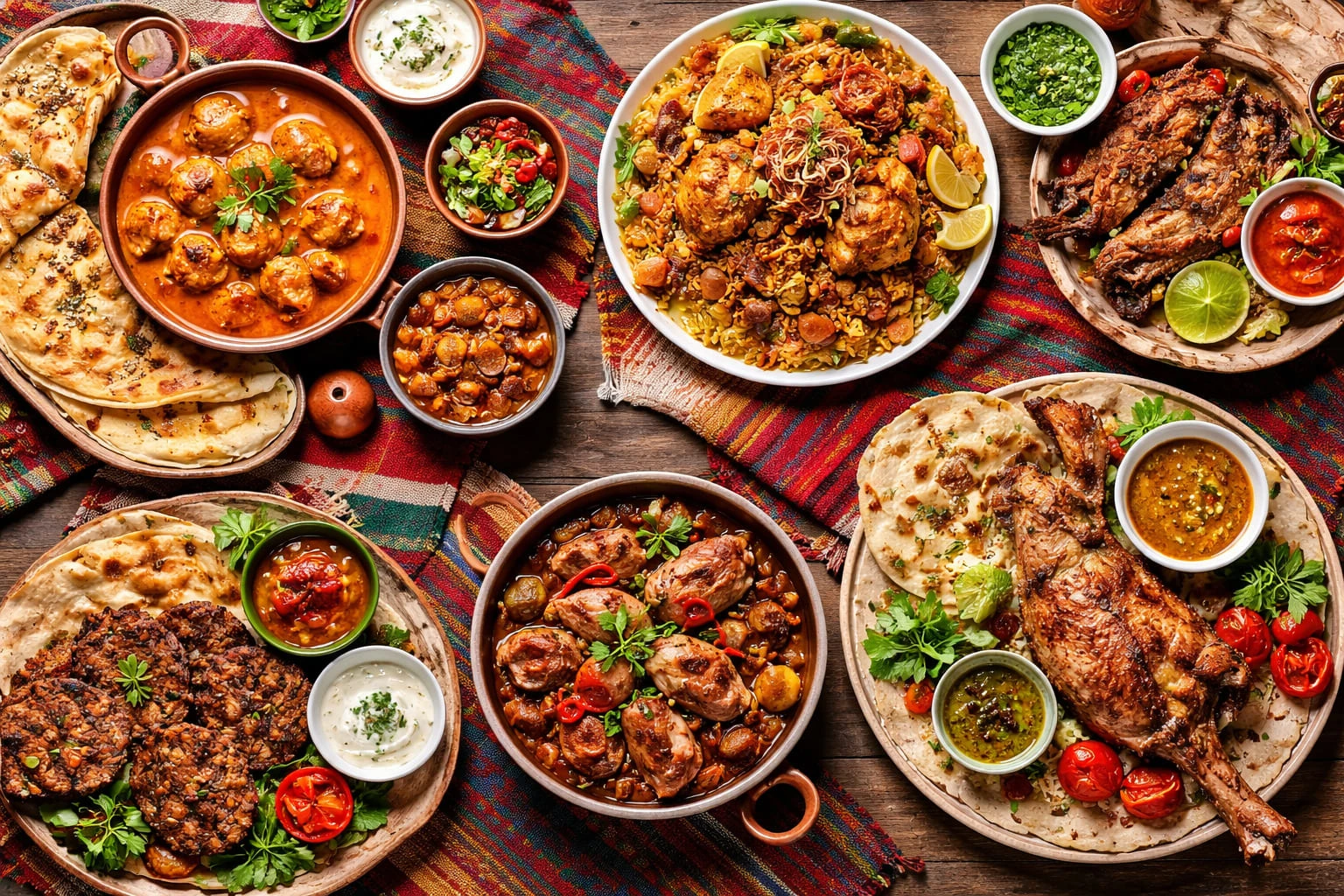
Food in Pakistan is never just about eating—it’s about connection, identity, and shared experience. From everyday meals at home to elaborate family gatherings, food plays a central role in how people interact, celebrate, and express care for one another.
When you look at Pakistani food culture, it stands out not just because of its rich and spicy dishes, but because of the deeper meaning attached to it. Unlike many parts of the world where food is often quick, individual, or convenience-driven, in Pakistan, it’s closely tied to tradition, hospitality, and community.
This difference becomes clear when you compare how food is prepared, served, and enjoyed. It’s not only about what’s on the plate—but how and why it’s eaten. In this article, we’ll explore how Pakistani food culture is different from the rest of the world by looking at its habits, values, and everyday practices.
In many parts of the world, food is often treated as something practical—a way to save time, stay full, or fit into a busy routine. In Pakistan, the meaning goes much deeper. Food is closely connected to family life, social values, and cultural identity.
A normal meal at home is often more than just lunch or dinner. It becomes a time when family members sit together, talk about their day, and reconnect. Even simple dishes like daal, roti, sabzi, or rice carry a sense of comfort and routine that feels personal and familiar.

Food also becomes especially important during life events and social gatherings. In Pakistan, meals are a big part of:
This is one of the biggest differences between Pakistani food culture and many other food cultures around the world. In a lot of modern societies, meals are becoming more individual and rushed. People may eat alone, eat while working, or rely heavily on packaged and ready-made food. In Pakistan, food still holds a strong place in human connection.
There is also an emotional side to it. Certain dishes are linked with memories, seasons, and family traditions. A pot of biryani at a gathering, nihari on a weekend morning, or pakoras at iftar are not just food choices—they are experiences that people associate with warmth, celebration, and togetherness.
That is what makes Pakistani food culture feel different. It is not built only around taste. It is built around people, relationships, and shared moments.
One of the clearest ways Pakistani food culture differs from many other food cultures is its love for strong, layered flavour. In Pakistan, food is rarely bland or lightly seasoned. Even simple meals usually have depth, aroma, and warmth from a blend of spices that work together rather than standing alone.
This does not always mean every dish is extremely hot. A common misunderstanding is that Pakistani food is only about chilli. In reality, the flavour comes from balance. Heat is just one part of a much bigger picture that includes earthiness, smokiness, tang, and richness.
Common features of Pakistani flavour include:
Some of the most commonly used spices include:
This is quite different from many Western cuisines, where flavour is often kept simpler and more separated. In many countries, food may rely more on herbs, butter, cheese, sauces, or light seasoning. Pakistani cooking, on the other hand, often layers multiple spices during different stages of cooking to create a fuller taste.

In Pakistan, food is one of the most important ways people show respect, care, and generosity. Hospitality—often referred to as mehmaan-nawazi—is not just a social habit, it’s a deeply rooted cultural value. And food sits right at the centre of it.
When guests arrive, offering food is almost automatic. Even if someone drops by unexpectedly, it’s common to be served tea, snacks, or even a full meal. Saying “no” is often not taken at face value—hosts will usually insist, sometimes multiple times, because serving guests generously is seen as a matter of pride.
There’s also a subtle social expectation behind this. A well-served guest reflects positively on the host and their household. Food becomes a way to express dignity, status, and warmth all at once.
Religion plays a major role in shaping Pakistani food culture, influencing not just what people eat, but also when and how they eat. Since the majority of Pakistan’s population is Muslim, Islamic dietary guidelines and traditions are deeply woven into everyday food practices.
In Pakistan, halal food isn’t a niche preference—it’s the norm.
This creates a consistent food environment, unlike many countries where dietary choices vary widely based on personal preference rather than religious requirements.

During the month of Ramadan, eating habits shift completely. Instead of the usual three meals, the day is structured around two main ones:
Iftar, in particular, is more than just a meal—it’s a daily event. Families gather, tables are filled with a variety of foods, and there’s a strong sense of togetherness.
Common iftar items include:
Eid festivals take food culture to another level. Meals become more elaborate, and certain dishes are strongly tied to these occasions.
Food during Eid is not just about eating—it’s about sharing. Plates are often sent to neighbours, relatives, and friends, reinforcing social bonds.
In many parts of the world, religion may influence food choices, but it usually doesn’t shape the entire food system as strongly as it does in Pakistan.
In Pakistan, religion doesn’t just influence food occasionally—it actively structures daily meals, seasonal habits, and major celebrations.
One thing that truly sets Pakistani food culture apart from many others is its incredible regional diversity. While many countries have variations in cuisine, Pakistan offers distinctly different flavours, cooking styles, and staple foods depending on the region.

This diversity comes from differences in geography, climate, history, and local traditions.
In many countries, there is a more unified national cuisine with only slight regional variations. In Pakistan, however:
This makes Pakistani cuisine feel more diverse and layered compared to many global food cultures.
Regional diversity also means there’s no single way to define Pakistani food. It’s a mix of multiple traditions that come together under one cultural identity—making it richer, more flexible, and more interesting.
| Aspect | Pakistani Food Culture | Western/Global Food Culture |
|---|---|---|
| Eating Style | Shared meals, communal dining | Individual plates, personal portions |
| Flavor Profile | Bold, spicy, layered flavours | Mild to moderate, simpler seasoning |
| Role of Food | Social, cultural, emotional | Functional, convenience-focused |
| Hospitality | Central to the food experience | More casual and limited |
| Street Food | Highly popular and widely consumed | Less central, more regulated |
| Meal Timing | Flexible, often family-driven | Structured, time-based routines |
| Religious Influence | Strong (halal, Ramadan, Eid) | Varies, often minimal impact |
When you look at this comparison, the biggest difference comes down to purpose. In many parts of the world, food is often about efficiency—eating quickly, maintaining routine, or fitting into a busy schedule. In Pakistan, food is much more experience-driven. It’s about spending time together, enjoying flavours, and creating moments.
Another key contrast is connection vs convenience. Pakistani meals are built around people—family, guests, gatherings—while global food culture, especially in the West, often prioritises speed, independence, and practicality. Even something as simple as how food is served shows this difference. Sharing from one dish naturally creates interaction, while separate plates keep the experience more individual.

What makes Pakistani food culture truly different from the rest of the world is not just the taste—it’s the meaning behind it.
From bold spices and slow-cooked meals to shared dining and deep-rooted hospitality, every part of the experience is built around connection. Food in Pakistan is not something you simply consume and move on from. It’s something you share, enjoy, and remember.
Whether it’s a simple family dinner, a crowded street food outing, or a festive Eid gathering, food always brings people together. It reflects values like generosity, tradition, and community—things that are becoming less central in many modern food cultures.
That’s why Pakistani food leaves such a strong impression. It’s not just rich in flavor—it’s rich in experience.

Feroza Arshad is a writer and content creator covering a range of subjects including news and current affairs, automobiles, sports, technology and coding, digital marketing, and Google and search trends. Her work appears across several blogs and publications. She focuses on clear, well-researched, and genuinely useful writing — breaking down developments, reviewing products, and explaining technical topics in plain language anyone can follow.
There’s something deeply comforting about the taste of a meal that feels rooted in tradition.
21 April 2026
Be the first to share your thoughts
No comments yet. Be the first to comment!
Share your thoughts and join the discussion below.