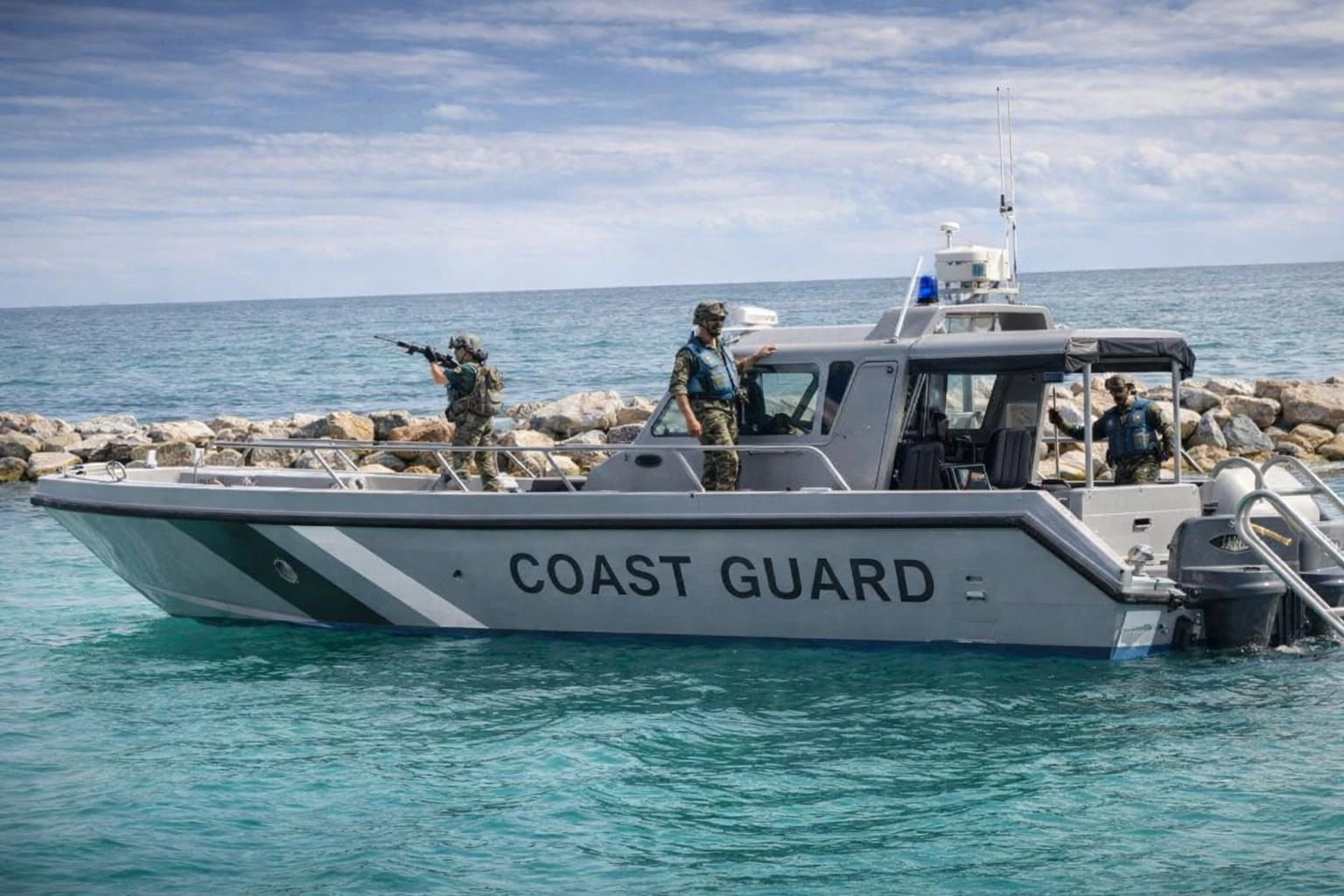
Where Did the Attack Occur and Why It Matters
The attack took place in the Arabian Sea near Pakistan’s southwestern coastline, close to the sensitive border region between Pakistan and Iran. This area lies near key coastal points such as Gwadar and Jiwani, both of which hold major strategic and economic importance.
Why this location is critical
The Arabian Sea is not just a body of water—it’s a lifeline for Pakistan’s economy and security:
- Major trade route:
A large portion of Pakistan’s imports and exports pass through these waters
- Gwadar Port's significance:
Gwadar is a central hub in the China-Pakistan Economic Corridor (CPEC), making it vital for regional trade and investment
- Border sensitivity:
The Pakistan-Iran coastal belt has historically been difficult to monitor due to its geography and cross-border movement
- Security operations zone:
Coast Guard and naval forces regularly patrol this region to counter:
- Smuggling
- Illegal fishing
- Militant activity

Why does this attack raise concern?
An attack in this specific area is alarming for several reasons:
- It targets security forces in a high-priority zone
- It suggests a possible shift toward maritime-based attacks
- It highlights vulnerabilities in coastal surveillance and response systems
- It puts attention on the safety of key economic routes, especially those linked to Gwadar
Unlike many past incidents that occurred on land, this attack directly challenges Pakistan’s ability to secure its sea-based assets and patrol operations, which are crucial for both national defense and economic stability.
Pakistan’s Maritime Security Challenges
The Arabian Sea has long been a sensitive zone for Pakistan, but incidents like this highlight just how complex and evolving the security landscape has become. Protecting coastal waters is not just about defense—it involves managing a wide range of overlapping threats.
Key threats in Pakistan’s coastal waters
Pakistan’s maritime forces, including the Coast Guard and Navy, regularly deal with:
- Smuggling networks
Move of illegal goods, fuel, and weapons across coastal routes, especially near the Iran border
- Militant activity
Insurgent groups operating in Balochistan have historically targeted land-based security forces, and this incident suggests a possible expansion toward sea-based operations
- Illegal fishing
Unauthorized fishing by foreign vessels creates both economic loss and enforcement challenges
- Human trafficking
Coastal routes are sometimes used for illegal migration and trafficking operations

Operational challenges on the ground (and at sea)
Even with regular patrols, securing the coastline is difficult due to:
- Long and rugged coastline
Pakistan’s coastline stretches over 1,000 km, much of it remote and sparsely monitored
- Border complexities
The proximity to Iran makes cross-border movement harder to track and control
- Limited surveillance coverage
Some areas lack advanced monitoring systems or rapid-response infrastructure
- Harsh maritime conditions
Weather and sea conditions can limit visibility and slow response times
Growing security pressure
In recent years, there has been increased pressure on Pakistan’s maritime security due to:
- Rising strategic importance of Gwadar Port
- Expansion of regional trade routes
- Ongoing instability in parts of Balochistan
This combination makes the coastline not just a border—but a frontline.
Why this incident stands out
While Pakistan has faced security threats for years, most have been land-based. An attack targeting Coast Guard personnel at sea signals a potential shift that could:
- Force a rethink of maritime security strategies
- Increase the need for naval coordination and surveillance upgrades
- Expand the scope of threats beyond traditional patterns
Possible Implications for National Security
This attack goes beyond a single tragic incident—it raises broader concerns about Pakistan’s overall security posture, especially in its coastal regions.
Impact on coastal operations
The immediate effect is likely to be a tightening of maritime security measures, including:
- Increased patrol frequency in sensitive zones
- Enhanced coordination between the Coast Guard and the Navy
- More strict monitoring of border-adjacent waters
Security forces may also reassess their current patrol strategies to reduce vulnerabilities.

Concerns for trade and economic routes
The Arabian Sea is central to Pakistan’s economy, and any threat in this region can have ripple effects:
- Gwadar Port security:
As a key CPEC hub, any instability nearby could raise concerns for ongoing and future investments
- Shipping routes:
International and regional trade depends on safe maritime corridors
- Investor confidence:
Repeated security incidents—even isolated ones—can impact perception and long-term planning
Strategic and regional implications
While authorities have not drawn broader conclusions yet, such incidents naturally raise questions about:
- Security along the Pakistan-Iran coastal belt
- The need for regional cooperation on maritime threats
- Monitoring of non-traditional threat actors operating at sea
A shift in threat landscape?
If confirmed as a deliberate militant strategy, this attack could indicate:
- Expansion from land-based insurgency to maritime operations
- Increased need for technology-driven surveillance (radar, drones, coastal tracking)
- A push toward multi-layered defense systems covering both land and sea
Why it matters now
Pakistan is at a stage where its maritime importance is growing rapidly—economically and strategically. Any emerging threat in this domain forces policymakers and security agencies to adapt quickly.
This incident may serve as a wake-up call to strengthen not just response mechanisms, but also prevention and intelligence in coastal regions.
What Happens Next?
In the aftermath of the attack, the next phase will likely focus on investigation, security review, and operational response.
Immediate priorities for authorities
Pakistan’s security agencies are expected to concentrate on:
- Confirming the full sequence of events
Investigators will try to establish how the patrol boat was tracked, approached, and attacked
- Identifying those responsible
Officials will examine intelligence inputs, local networks, and any claim of responsibility
- Reviewing patrol vulnerabilities
The incident may trigger an internal assessment of how Coast Guard units operate in high-risk waters
Possible security response
Following an incident of this nature, authorities may move toward:
- Stronger sea patrol deployment in sensitive coastal belts
- Better coordination between maritime and land-based forces
- Expanded surveillance and intelligence monitoring near the Pakistan-Iran border
- Additional protection for strategic coastal infrastructure
Public and institutional reaction
Such attacks often lead to:
- Official condemnation from government and security leadership
- Calls for accountability and stronger preventive measures
- Public concern over the safety of Pakistan’s coastal zones

The deaths of security personnel also tend to deepen national attention on the risks faced by forces working in remote and dangerous areas.
Why the next steps matter
What happens after the attack may be just as important as the attack itself. A strong response will not only aim to bring those responsible to justice, but also determine whether Pakistan can prevent similar threats from emerging in its maritime space.
Conclusion
The deadly maritime attack that claimed the lives of three Pakistan Coast Guard personnel in the Arabian Sea marks a deeply concerning development in the country’s security landscape. Beyond the tragic loss of life, the incident highlights emerging risks in a region that is vital for Pakistan’s defense, trade, and economic future.
What makes this event particularly significant is not just where it happened, but how. A security personnel at sea suggests that threats may no longer be confined to land, raising important questions about preparedness, surveillance, and response capabilities in maritime zones.
As investigations continue and more details come to light, the focus will remain on ensuring accountability and strengthening coastal security. The incident serves as a reminder that safeguarding Pakistan’s waters is just as critical as protecting its land borders.