
* All product/brand names, logos, and trademarks are property of their respective owners.
There’s something deeply comforting about the taste of a meal that feels rooted in tradition. In Punjab, food has never been just about eating—it’s about connection, heritage, and a way of life passed down through generations. Long before modern kitchens and packaged ingredients became the norm, Punjabi traditional cuisine was shaped in village homes where cooking was slow, intentional, and closely tied to the land.
From the warmth of a clay stove to the richness of freshly churned butter, every element of village cooking carried a sense of authenticity that’s hard to replicate. Today, while lifestyles have changed and kitchens look very different, the essence of those flavors still finds its way into modern homes.
This journey from village kitchens to urban spaces is not about losing tradition—it’s about adapting it. And in that transition lies the true beauty of Punjabi traditional cuisine.
Punjabi village kitchens were built around simplicity, but that simplicity created extraordinary food. These were not spaces designed for speed or convenience. They were part of daily life, closely connected to the rhythms of farming, seasons, and family routines.
At the center of many traditional Punjabi kitchens was the chulha, a mud stove fueled by wood or dried crop waste. Cooking on a chulha was slow, but that slow heat gave food a depth of flavor that modern appliances rarely produce. Rotis cooked over open flame developed a rustic texture, while pots of daal or saag simmered gently until their flavors fully blended.
Long before farm-to-table became a modern trend, Punjabi villages were already living that way. Meals were shaped by what was fresh, seasonal, and available at home. In winter, homes would fill with the aroma of sarson ka saag, while summer brought cooling drinks like lassi and lighter meals made with fresh produce.

Punjabi traditional cuisine stands out not because it is complicated, but because it knows how to do simple things exceptionally well. The food feels generous, comforting, and deeply satisfying, even when the ingredients are basic. A meal of roti, daal, and sabzi can feel complete in a way that more elaborate dishes often cannot match.
At the core of this cuisine is freshness. Ingredients are often locally sourced, seasonal, and minimally processed. Fresh vegetables, homemade butter, and hand-ground spices create a base where every element tastes real and distinct. Nothing is overly engineered, which allows the natural flavors to shine through.
Punjabi food is known for its richness, but that richness goes beyond just desi ghee or butter. It comes from slow cooking, proper layering of spices, and giving dishes the time they need to develop depth. The flavors are bold, yet they rarely feel overwhelming because they are built patiently rather than rushed.
Food in Punjabi culture has always been a shared experience. Cooking is often a collective effort, where different members of the household contribute in small ways. Meals are served together, eaten together, and enjoyed as a moment of connection. This sense of community adds an emotional layer that makes the food even more meaningful.
Punjabi traditional cuisine is best understood through its everyday meals. These are not just dishes—they are part of routines, seasons, and family traditions. Each item reflects the land and lifestyle it comes from.

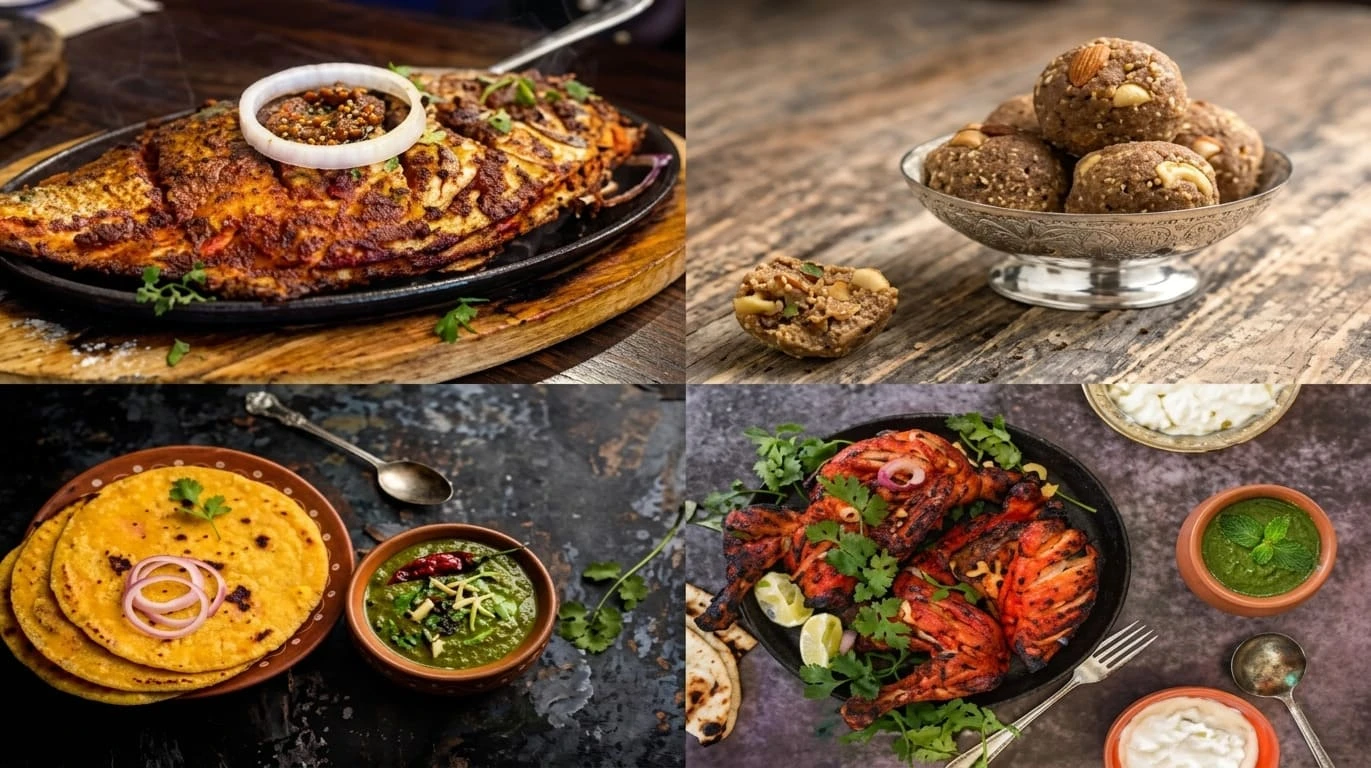
Many classic Punjabi dishes come from simple, daily cooking. Sarson da saag with makki di roti is a winter favorite, known for its earthy flavor and seasonal connection. Daal with roti is another staple, offering comfort and nourishment in every home. Seasonal vegetables also play a key role, keeping meals fresh and varied.
Lassi is one of the most recognizable Punjabi drinks, enjoyed both sweet and salty, especially in warm weather. Alongside it, fresh milk, yogurt, and homemade butter are everyday essentials that add richness and balance to meals.
For gatherings and special moments, dishes like desi chicken curry are prepared with care and slow cooking. Tandoori roti and naan, often made in traditional ovens, bring a distinct smoky flavor that adds depth to the experience.
What makes these dishes special is not just their taste, but the role they play in daily life and celebrations.
| Aspect | Village Kitchens | Modern Homes |
|---|---|---|
| Cooking Method | Chulha, slow fire | Gas/electric stoves |
| Ingredients | Fresh, organic | Store-bought |
| Utensils | Clay, iron | Steel, non-stick |
| Flavor | Deep, smoky | Faster, lighter |
| Lifestyle | Community-based | Individual/fast-paced |
The difference between village and modern cooking is not just about tools—it’s about pace and connection. Village kitchens focus on time, freshness, and shared effort, which naturally enhances flavor. Modern kitchens, on the other hand, are built for convenience and speed.
While modern methods make cooking easier and more efficient, they sometimes miss the depth that comes from slow preparation. Still, many homes today try to strike a balance—keeping traditional flavors alive while adapting to a faster lifestyle.

Punjabi traditional cuisine has not stayed frozen in time. While its roots remain strong, the way food is prepared and consumed has gradually changed with shifting lifestyles, especially as more people moved from villages to cities.
In modern homes, time is often limited. Long cooking processes have been shortened, and convenience has become a priority. Dishes that once took hours on a slow fire are now prepared much faster using gas stoves and kitchen appliances. This shift has made cooking more practical, but it has also changed the overall experience.
Punjabi food has gained global popularity, and with that, it has been adapted to suit different tastes. Restaurant-style dishes are often richer, heavier, and more standardized. While they keep the essence alive, they sometimes move away from the simplicity of traditional home cooking.
Despite all these changes, the core identity of Punjabi cuisine remains intact. The love for bold flavors, the use of dairy, wheat-based staples, and the importance of sharing meals are still very much part of everyday life. Even in modern kitchens, these elements continue to connect people back to their roots.
In recent years, there has been a noticeable shift back toward traditional Punjabi food, especially in urban homes. What was once considered old-fashioned is now valued for its authenticity, nutrition, and cultural depth.
One major reason behind this revival is increased awareness about food quality. Many people are moving away from processed meals and turning toward fresh, simple ingredients. Punjabi traditional cuisine naturally fits this preference.
There is also a growing curiosity among younger people to rediscover traditional foods. Through family influence and social media, dishes like saag, makki di roti, and lassi are finding their way back into everyday life.
Along with dishes, cooking styles are also making a comeback. Tandoors, slow cooking, and the use of desi ghee are being reintroduced in modern kitchens to recreate authentic flavors.
This revival is not about going backward—it’s about bringing meaningful traditions into today’s lifestyle in a practical way.

Keeping the essence of Punjabi traditional cuisine alive in modern kitchens does not require a complete lifestyle change. Small, thoughtful choices can make a noticeable difference in both taste and experience.
Using fresh ingredients whenever possible is a simple starting point. Adding desi ghee instead of refined oils, choosing seasonal vegetables, and allowing food a bit more time to cook can bring back some of the depth found in village meals.
Another meaningful way to preserve these flavors is by learning from older generations. Family recipes, cooking techniques, and even small habits in the kitchen carry a lot of value. Occasional use of traditional methods, like slow cooking or outdoor grilling, can also help recreate that authentic touch.
Even in a modern setting, these small efforts can bring a sense of tradition back to everyday cooking without making it feel difficult or time-consuming.
Punjabi traditional cuisine is more than a collection of dishes—it is a reflection of a way of life rooted in simplicity, connection, and care. From the slow-cooked meals of village kitchens to the adapted versions found in modern homes, the essence of these flavors continues to live on.
While cooking methods and lifestyles have changed, the core values remain the same: fresh ingredients, bold yet balanced flavors, and the joy of sharing food with others.
This journey from village kitchens to today’s homes shows that tradition does not fade—it evolves. By holding on to these small but meaningful elements, Punjabi traditional cuisine continues to bridge the past and present, keeping its beauty alive in every meal.
For More Info:
How Pakistani Food Culture is Different From the Rest of the World

Feroza Arshad is a writer and content creator covering a range of subjects including news and current affairs, automobiles, sports, technology and coding, digital marketing, and Google and search trends. Her work appears across several blogs and publications. She focuses on clear, well-researched, and genuinely useful writing — breaking down developments, reviewing products, and explaining technical topics in plain language anyone can follow.
Food in Pakistan is never just about eating—it’s about connection, identity, and shared
16 April 2026
Be the first to share your thoughts
No comments yet. Be the first to comment!
Share your thoughts and join the discussion below.